Character Limits and UI Constraints
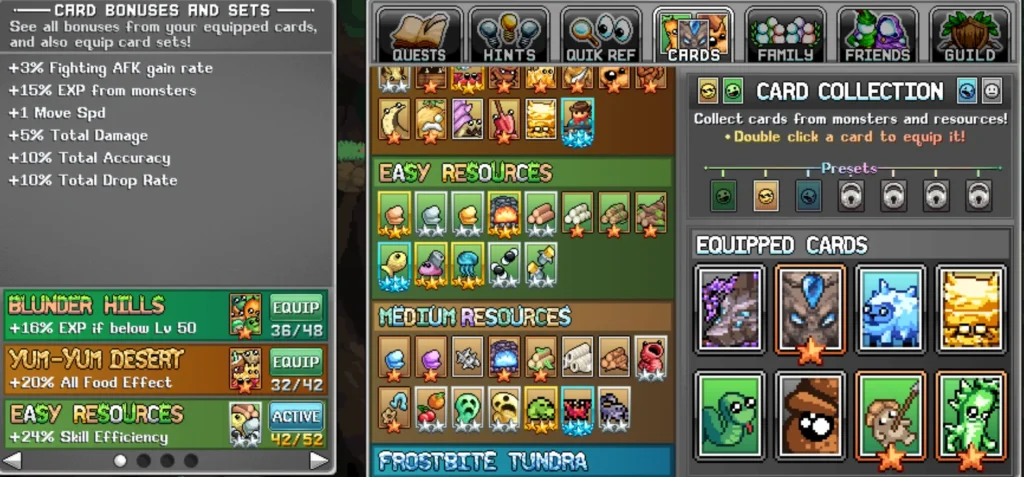
In idle games, the space for text, like effect descriptions, rules, or tips, is often very limited, especially on mobile screens. That means there isn’t much room to explain things. So, it’s really important to keep translations short and to the point. If the text is too long, it might get cut off or not fit well in the design, which can confuse players or make the game’s UI look messy. This is why developers and translators should work together to define clear character limits from the start. On top of that, many idle games use auto-scaling for text, where the font size adjusts to fit the space. While helpful, it doesn’t always solve layout problems, especially for longer words in languages like German or Finnish. Keeping an eye on both length and layout helps ensure everything stays clean, readable, and player-friendly.
Humor and Puns
Idle games often include funny lines, puns, or playful text to keep things light and entertaining. But jokes don’t always work the same way in other languages. Sometimes that means changing the joke or coming up with a different one that feels just as fun. The goal of an efficient idle game localization strategy should be to keep the tone and spirit of the game, even if the words are different.
Currency, Time, and Number Formats
Idle games often display numbers, timers, and in-game currencies everywhere, from progress bars to rewards and shop prices. But these formats aren’t the same across all regions. For example, some players use commas to separate large numbers (1,000), while others use periods (1.000), and time can also be shown in 12-hour or 24-hour formats. If these aren’t localized properly, or are not consistent across the game, players might misread important information. That’s where a localization style guide really helps. It sets clear rules for how to handle things like numbers, dates, and currency for each language. By sticking to a style guide, translators can keep everything consistent and avoid confusion, making the game feel smooth and polished for every player.
Adapting In-Game Events and Themes
Idle games often run special events tied to specific holidays or seasons (Halloween, Thanksgiving, or summer festivals). While these themes work well in some regions, they might not make sense or resonate with players everywhere. That doesn’t always mean removing the event, but sometimes it helps to adjust the name, visuals, or references so they feel more familiar or simply more universal. For example, a Thanksgiving-themed event could be turned into a generic harvest celebration. Small tweaks like this keep the spirit of the event while making sure players in different regions can still enjoy and understand it.
Updates and New Content
Idle games frequently receive updates that introduce new content, features, or seasonal events. To ensure a seamless player experience, it’s crucial that the localization process keeps up with these updates. This involves maintaining consistent terminology and style across all versions of the game, so players aren’t confused by sudden changes in language or phrasing. Establishing a clear workflow for localization updates, such as using a centralized system to track changes and manage translations, can help teams implement updates efficiently and maintain quality across all languages.