Mistranslations or Inappropriate Language
Without proper testing, mistranslations or inaccuracies can slip through, alienating players and damaging your game’s reputation. Post-release fixes for these errors can be expensive and time-consuming.
Bugs with Non-Latin Scripts
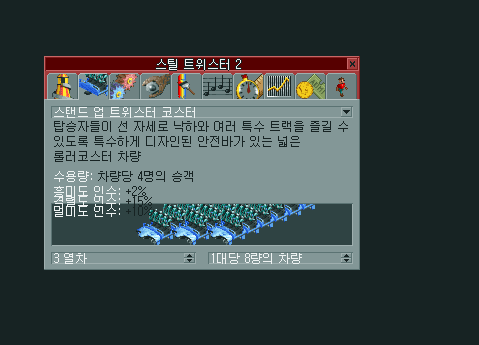
Languages like Chinese, Arabic, or Russian often require special font rendering, text alignment, or character encoding. If these aren’t tested thoroughly, they can cause display issues or even game crashes.
How to Avoid This
Include localization testing in your budget and timeline. Work with a provider that offers testing services or hire a dedicated QA team. Ensure testers have access to all localized assets and understand the game’s context. Testing should cover both linguistic accuracy and technical integration to deliver a polished experience for players.
UI and Visual Assets
UI and visual assets play a critical role in a game’s usability and player experience. Poorly localized UI can confuse players and impact their overall enjoyment of the game.
Text Expansion
Text often expands or shortens during localization due to linguistic differences. This can lead to overflowing text in buttons, menus, or dialogue boxes, requiring redesigns. If unplanned during development, these fixes might need to be rushed, increasing costs.
Localized Images
Images containing embedded text need to be recreated for each target language. For example, promotional banners or in-game tutorials may require separate versions for Spanish, Japanese, or French markets. This additional workload can quickly inflate the localization budget.
How to Avoid This
Design your game with localization in mind. Use flexible UI layouts that accommodate text expansion and avoid embedding text directly into images. To manage overflowing text, use anchor points, while for images, employ dynamic text layers that overlay graphics. Collaborate with designers early on to create assets that are easy to adapt for multiple languages. Include these adjustments in your localization budget and timeline to avoid rushed fixes later.
Delays from Poor Planning
Poor planning is one of the most significant causes of localization delays. These delays can lead to missed release dates, frustrated teams, and increased costs. Common planning issues include:
Incomplete String Extraction
If string extraction is rushed or incomplete, some in-game text may be left untranslated, requiring last-minute fixes. This can lead to inconsistencies and additional work for both translators and developers.
Missing Context for Translators
When translators don’t have enough information about the text, they may produce translations that don’t align with your game’s tone or gameplay. This lack of context often results in costly revisions and delays.
Lack of Preparation for Testing
Skipping or rushing the preparation phase for testing can result in avoidable bugs or errors slipping through. Without enough time allocated for testing, the final product may fail to meet quality standards, necessitating further delays and fixes.
How to Avoid This
Start localization planning early in the development process. Prepare assets thoroughly and organize text systematically, using XLSX files or Google Sheets is ideal. Provide detailed context for translators and allocate sufficient time for revisions and testing. Use content management systems or localization software to streamline workflows and reduce errors. Proper localization planning reduces the likelihood of delays, ensuring a smoother, more efficient process overall.
Conclusion
Game localization is an essential step for reaching global audiences, but without careful planning, it can lead to unexpected costs and delays. By understanding the hidden costs of game localization and taking proactive steps, you can ensure a smoother and more cost-effective localization process. Invest the time upfront to plan and communicate effectively, and you’ll set your game up for success. With these strategies, you can transform localization from a potential cost center into a valuable investment in your game’s global reach and player satisfaction.